

Quick Answer
- It creates an advanced ecosystem where any individual can generate a temporary QR code for their Aadhaar card, which can be scanned to see whether the details are genuine and authentic, serving as a proper identification system.
- Small businesses and normal citizens can use the Aadhaar app to quickly verify if the Aadhaar card produced by the person is genuine or not.
- To put an end to this, the UIDAI has approved a new law under which all types of Aadhaar-based verification will now be performed using a digital process.
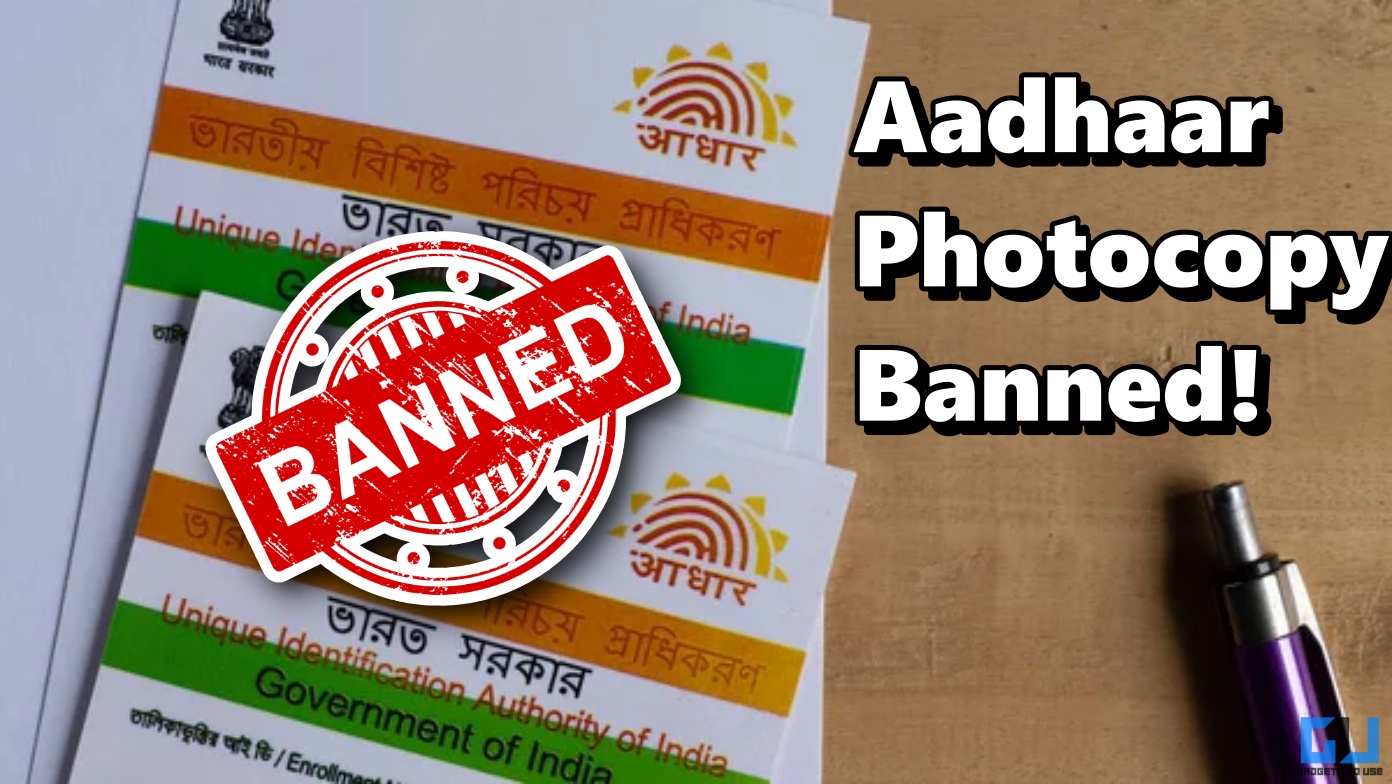
The Unique Identification Authority of India (UIDAI) is all set to ban the use of photocopies of Aadhaar Cards. This move will stop hotels and other event organisers from collecting and storing physical copies of Aadhaar from guests for verification, which is currently a standard practice in the country. Instead, the UIDAI wants all identity checks to shift to QR-based digital verification using the new Aadhaar app. Here’s everything that you need to know about the upcoming UIDAI ban on Aadhaar card photocopies.
UIDAI Ban on Aadhaar Photocopies
As per the UIDAI Rules of 2016, storing of Aadhaar information is already banned in the country by unauthorised entities. Despite these rules, citizens have been forced to submit photocopies of their Aadhaar cards at hotels, events, ticket bookings, agreements, contracts, and many other places. Such unverified Aadhaar copies were always at risk of getting stolen and misused for identity theft and other illegal activities.
To put an end to this, the UIDAI has approved a new law under which all types of Aadhaar-based verification will now be performed using a digital process. It also prohibits and bans the collection and storage of physical Aadhaar photocopies throughout India.
UIDAI’s CEO Bhuvnesh Kumar has confirmed this upcoming rule change in a statement given to PTI. The law has been approved internally by the entity, and it will soon issue an official circular and gazette of the same. He further mentioned that:
The objective is to discourage paper-based Aadhaar verification.
New Aadhaar Verification Methods
The UIDAI is pushing towards completely digital methods for Aadhaar verification. This will be primarily done using the new Aadhaar app. It can generate an encrypted QR code of the individual, which can be scanned and verified by any other person using the same app. In simple words, the concept is similar to showing your UPI QR code to another person.
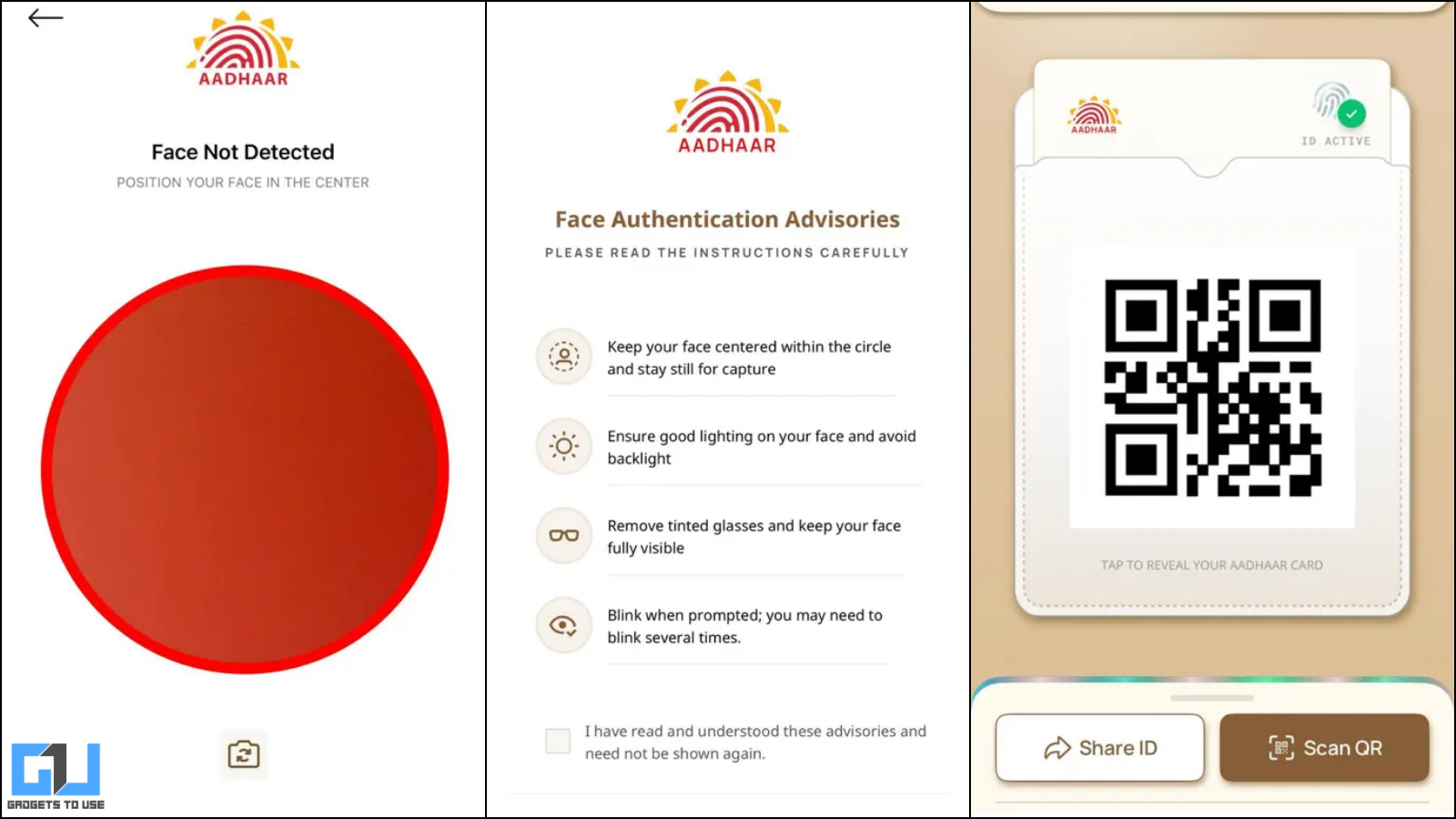
The Aadhaar app-based verification will also work offline. It creates an advanced ecosystem where any individual can generate a temporary QR code for their Aadhaar card, which can be scanned to see whether the details are genuine and authentic, serving as a proper identification system.
How Digital Aadhaar Verification Works
The latest digital Aadhaar verification system is based on the new Aadhaar app. It can generate a unique QR code for any person, containing all details of the user’s Aadhaar card. This code can be scanned by any other person, including regular citizens, using the same app. Once the QR code is generated, the scanning and verification is performed offline, without needing any internet connection.
Here are some key highlights of the new QR-based Aadhaar verification system:
- The user can choose which details to include in the QR, and selectively hide address, date of birth, photograph, etc.
- This is helpful in situations where the user only has to show their name and picture, without having to expose their age and address.
- Small businesses and normal citizens can use the Aadhaar app to quickly verify if the Aadhaar card produced by the person is genuine or not.
- Hotels, malls, theatres, and all other events are banned from asking for and storing physical Aadhaar photocopies.
When Will New Aadhaar Rules Apply?
While the UIDAI has approved the new rules internally, it has yet to be announced officially. The authority has not revealed any date for the same. The new digital verification system is already available through the Aadhaar app on Android and iOS, and hence, we can expect an official announcement soon.
FAQs
Q. Is Aadhaar photocopy illegal?
The UIDAI has not made physical Aadhaar photocopies illegal. Instead, it wants to promote digital verification so that any private company cannot store your personal details.
Q. Is masked Aadhaar legal?
Yes, masked Aadhaar is a legal identity. It works in places where you only have to verify your name and age, without having to reveal your actual Aadhaar card number.
Q. What happens to my official PVC Aadhaar card?
Your existing Aadhaar cards, including paper and PVC cards, continue to remain as valid ID documents. The new UIDAI rules only aim to prevent the storing of physical Aadhaar photocopies in situations where the verification only needs to be done once.
Wrapping Up
The UIDAI is moving towards a digital verification system to make Aadhaar cards more secure. It will prevent identity theft as physical photocopies can be misplaced ot stolen easily. The new Aadhaar app is already available to all users, which is expected speed up the adoption of digital Aadhaar verification methods, without having to rely on OTPs.
You may also like to read:
- How to Find Phone Numbers Linked to Your Aadhaar Card
- 4 Ways to Verify if an Aadhaar Card Is Valid or Not
- How to Check if Someone Is Using Your Aadhaar Card Without Permission
- PVC Aadhaar Card vs. Regular Aadhaar Card
Have any questions related to our how-to guides, or anything in the world of technology? Check out our new GadgetsToUse AI Chatbot for free, powered by ChatGPT.
You can also follow us for instant tech news at Google News or for tips and tricks, smartphones & gadgets reviews, join the GadgetsToUse Telegram Group, or subscribe to the GadgetsToUse Youtube Channel for the latest review videos.