

Quick Answer
- It has become so normal for people to get glued to their screens even while walking that Google decided to step in and introduce a new warning feature for the same.
- With the help of your phone sensors like the accelerometer and gyroscope, the Heads up feature detects your movements and reminds you to stay aware of your surroundings.
- If you have ever bumped into a pole or stumbled on a sidewalk because you were busy scrolling through reels or texting, then you are not alone.
If you have ever bumped into a pole or stumbled on a sidewalk because you were busy scrolling through reels or texting, then you are not alone. It has become so normal for people to get glued to their screens even while walking that Google decided to step in and introduce a new warning feature for the same. Although this native feature is present on almost all Android devices for over three years, not many are aware of it, as it’s hidden inside Digital Wellbeing.

Google’s Heads Up Feature in Android
Suppose you are walking on the streets while using your phone for any reason, whether for using location services, texting someone, or for entertainment purposes. With the help of your phone sensors like the accelerometer and gyroscope, the Heads up feature detects your movements and reminds you to stay aware of your surroundings. To provide better services, it also uses GPS to understand whether you are walking indoors or outdoors.
How to Enable Heads Up Feature
As mentioned earlier, Heads Up is part of Digital Wellbeing, a built-in feature on Android phones. This means you don’t need to install any drivers or download any extra apps. The Heads Up feature is already integrated into your device and ready to use.
You just have to enable this feature by following the steps mentioned.
1. Open “Settings”.
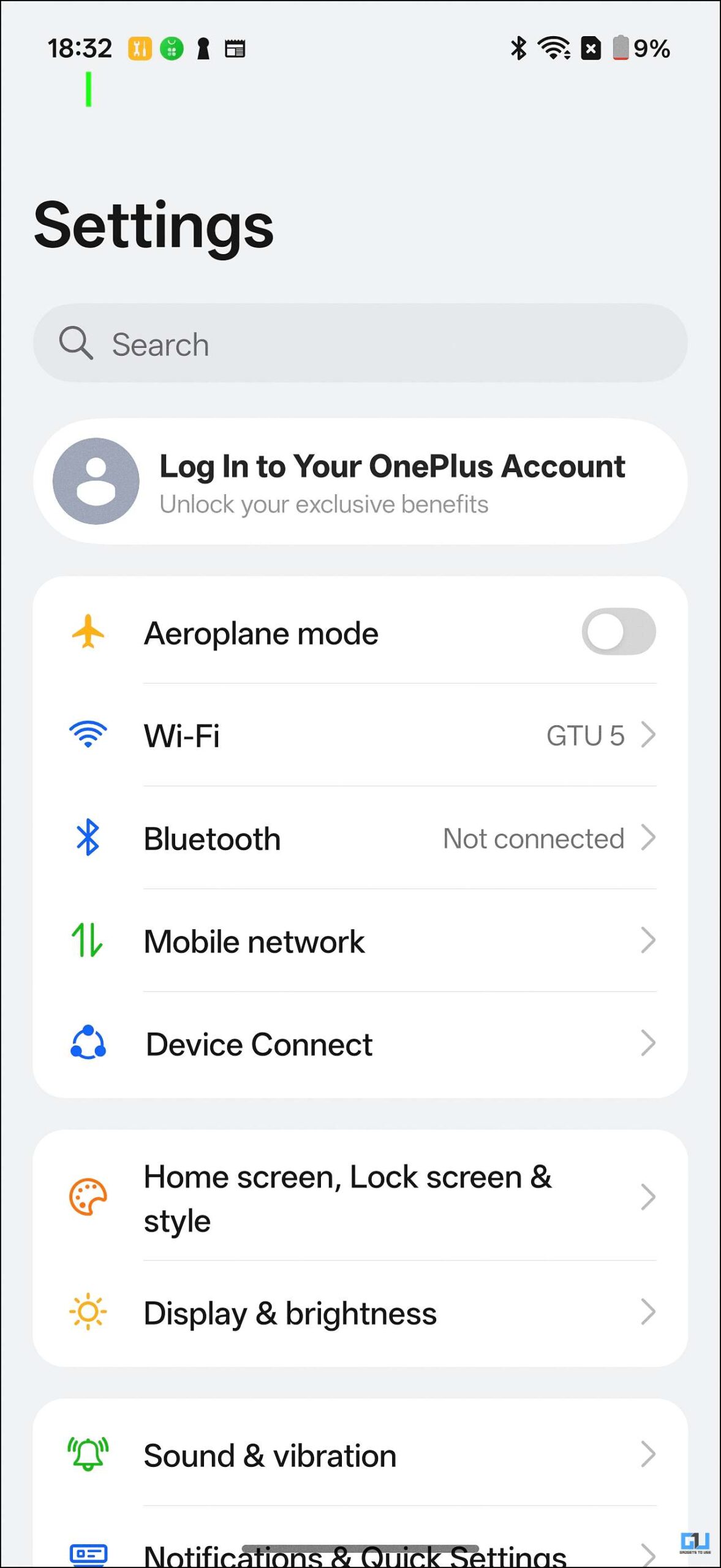
2. Scroll and click on “Digital Wellbeing & parental controls”.
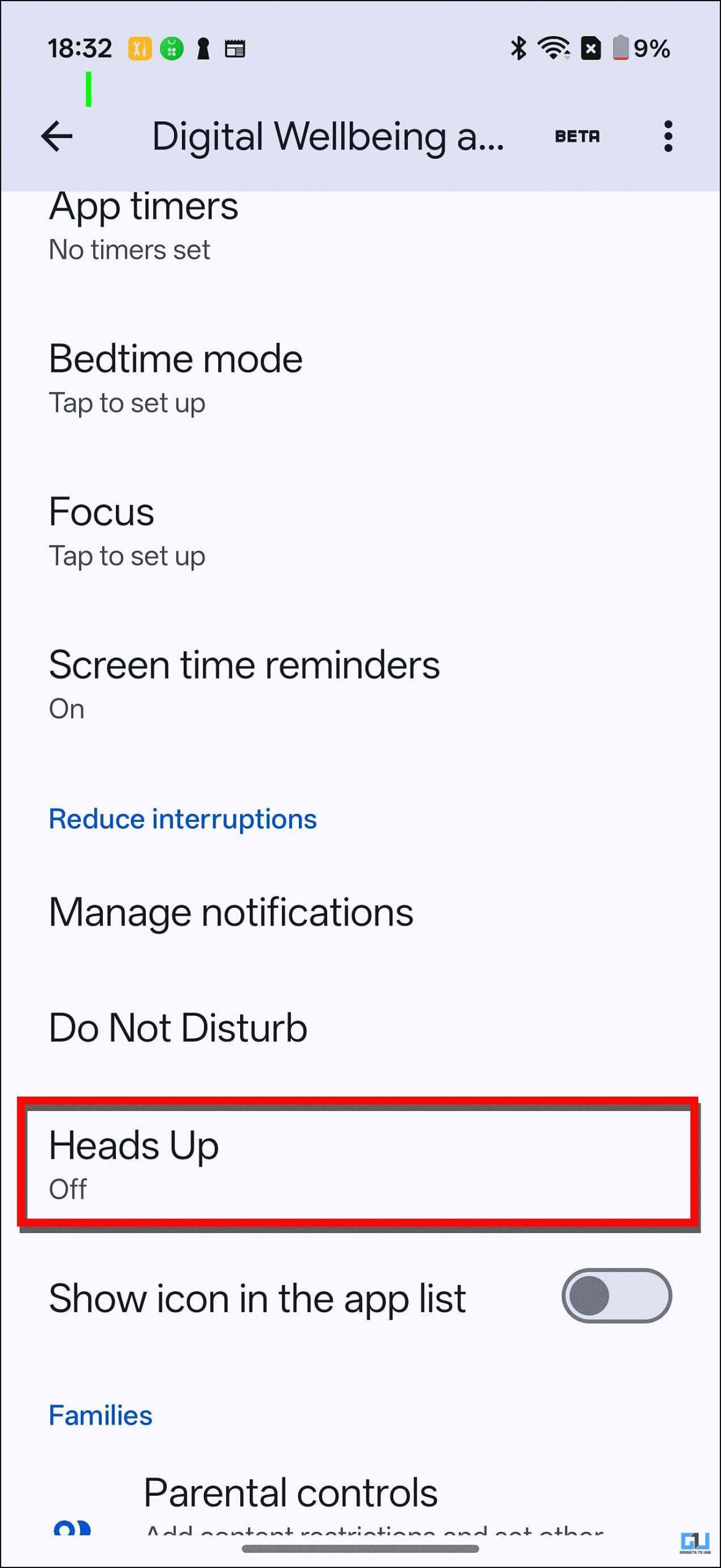
3. Tap on “Heads Up”.
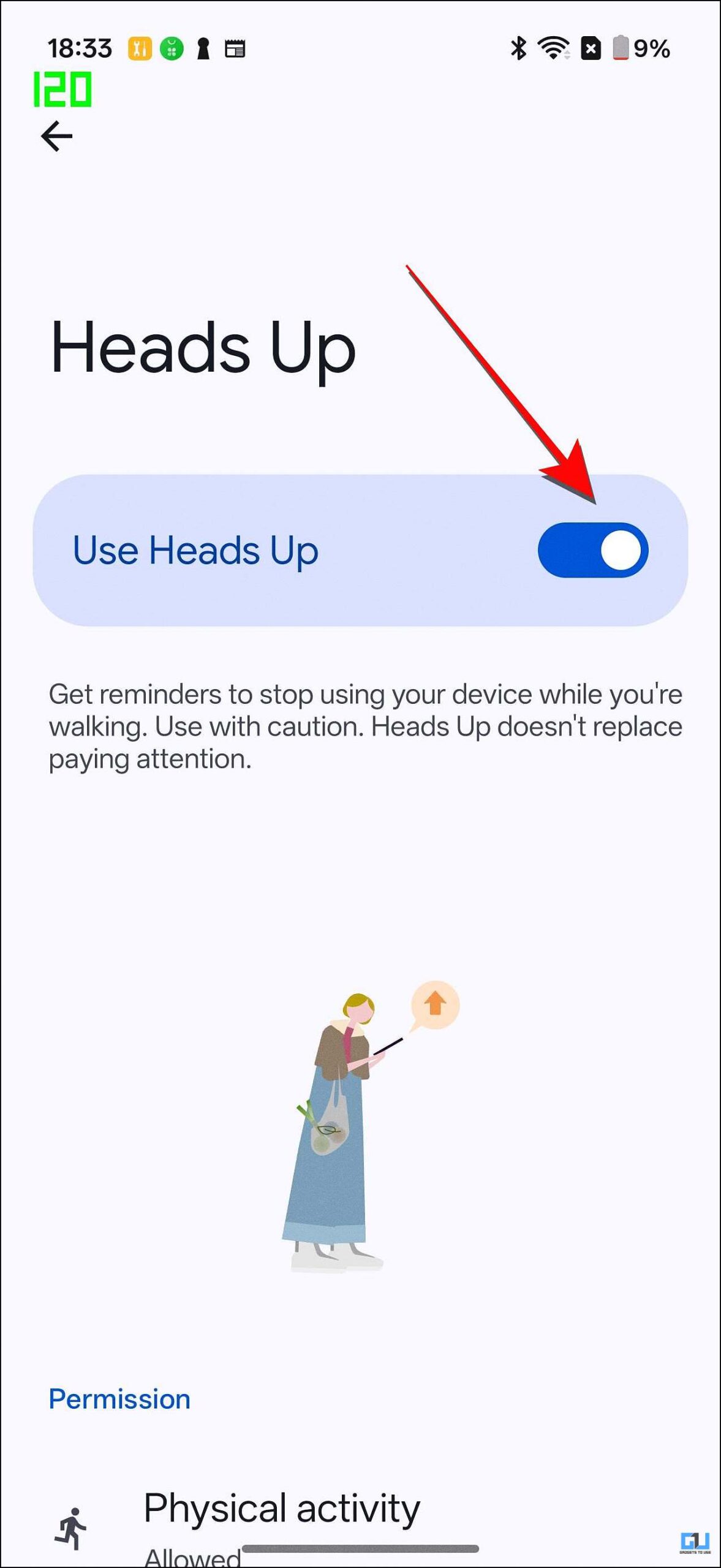
4. Allow all required permissions
5. It will automatically turn on the “Heads Up” feature if not, just enable it.
Does enabling the “Heads Up” Feature impact your privacy?
Whenever we come across features like this, it’s totally natural for a bunch of privacy questions to pop into our heads. I felt the same way at first. So, instead of leaving those doubts hanging. I’ve gathered the exact questions that came to my mind, and I’ll be breaking them down one by one so you know exactly how this feature treats your data.
Q. Does it use the phone’s camera to monitor whether you are walking indoors or outdoors?
No, the working of this feature is very simple; it uses only phone sensors and location services. It doesn’t even ask for camera permissions, so you can use it without worrying.
Q. Is any information about my phone usage, physical activity, or location being shared?
No, your location and activity data stay on your device and aren’t shared with anyone. Only basic, anonymous interaction data from Heads Up notifications is collected to help improve the feature.
Makes Walking Safer
Although we are not supposed to use our phones while walking, it has become second nature to keep our eyes on the screen instead of the street. Since Google can’t change our habits, the heads-up feature serves as an excellent protection mechanism to warn users when they get distracted while walking out of their senses. It is believed that over 30% of road accidents happen because the person was engaged with their phone, instead of being attentive.
Such small features can significantly improve road safety, without requiring any behavioural changes. However, the only concern is that Google and smartphone companies have not highlighted this feature enough, so not everyone is aware of it.
FAQs
Q.Which phones support Android Heads Up feature?
The Heads Up feature in Android is available on all devices running Android 13 and above. It is available in the Digital Wellbeing section under Settings.
Q. Does Heads Up work without GPS?
Yes, the feature can still remind you to look up using motion sensors. GPS is only used to improve accuracy, not to fully depend on it.
Wrapping up
Heads Up is one of those small yet thoughtful features that actually make a difference. It quietly does its job in the background, stepping in only when you need that gentle reminder to look up and stay safe. With so many accidents happening because of distracted walking or driving, tools like this show that technology can protect us instead of distracting us. Hopefully, this pushes more companies to create features that genuinely care about the user’s well-being.
You may also like to read:
- How I Used NotebookLM to Summarize Instagram and Facebook Videos
- We Tested 6 New AI Features in Google Photos
- My Pixel 10 Pro Has a Hidden Image Expand AI Feature I Found Out
- This AI Tool Combines Google Gemini, ChatGPT, and DeepSeek
Have any questions related to our how-to guides, or anything in the world of technology? Check out our new GadgetsToUse AI Chatbot for free, powered by ChatGPT.
You can also follow us for instant tech news at Google News or for tips and tricks, smartphones & gadgets reviews, join the GadgetsToUse Telegram Group, or subscribe to the GadgetsToUse Youtube Channel for the latest review videos.