

Quick Answer
- Additionally, if an LTPO display is not optimised for the software, it can feel choppy, especially when adapting to a significant change in refresh rate.
- As mentioned above, it is the best display you can get in a smartphone, so it’s primarily found in flagship and premium smartphones.
- Let’s say you’re reading something on your smartphone, and the screen is static, the phone will switch to 1Hz, and when you scroll, it will switch back to 120Hz.
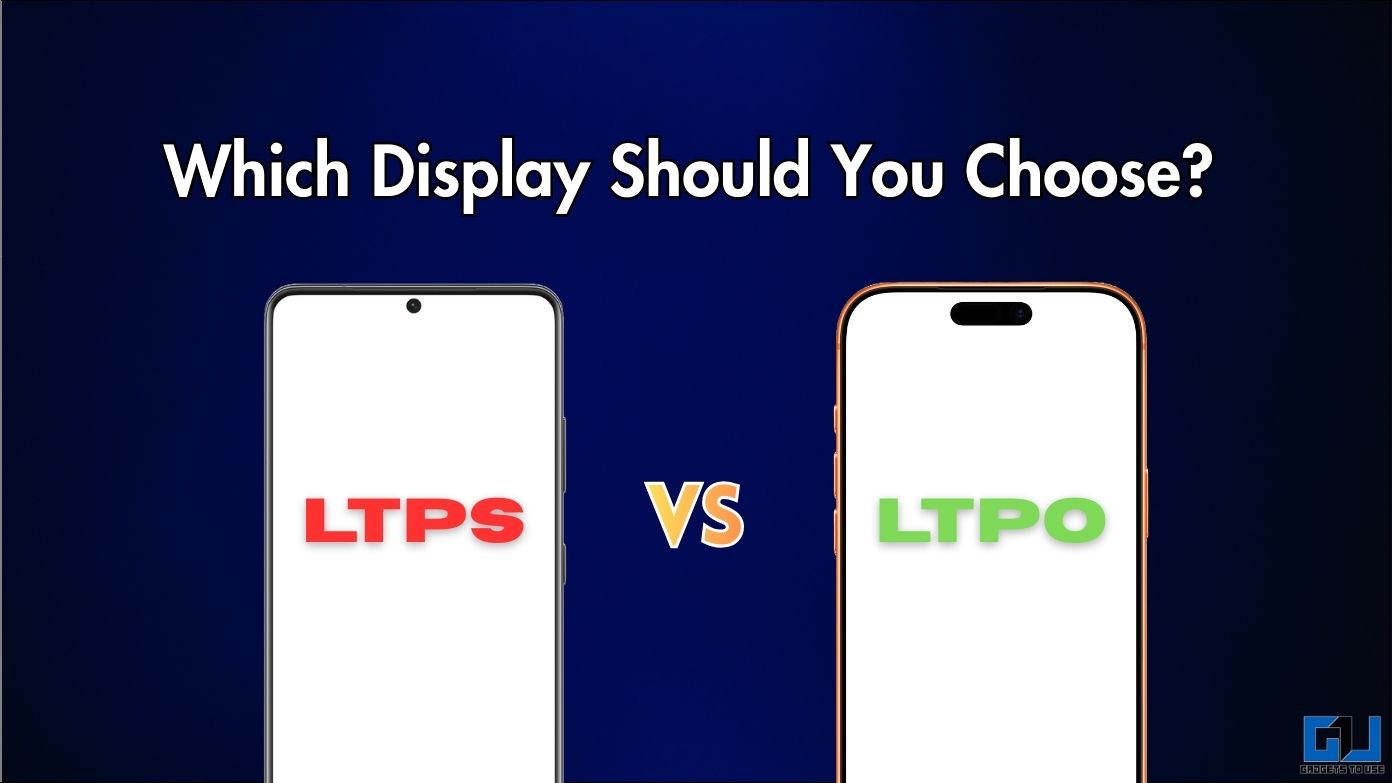
Smartphone technology is evolving with every launch, and choosing the right one can seem complicated. And the display is one of a smartphone’s most vital aspects. You interact primarily with the smartphone through the screen. It’s safe to say that the type of display largely determines your device experience. The two primary display technologies in the market today are LTPS and LTPO. But the question is, which one is ideal or better than the other for you? Let’s find out below.
What is LPTS?
Low-Temperature Polycrystalline Silicon, or LTPS, has been the foundation for years for high-quality OLED screens. An LTPS display would be great for your daily smartphone usage. They feel smooth, the visuals are sharp, and the colours look bold. The only thing is that the refresh rate on these is fixed, such as 60Hz, 90Hz, 120Hz, etc. It is not adaptive to the content on the screen.
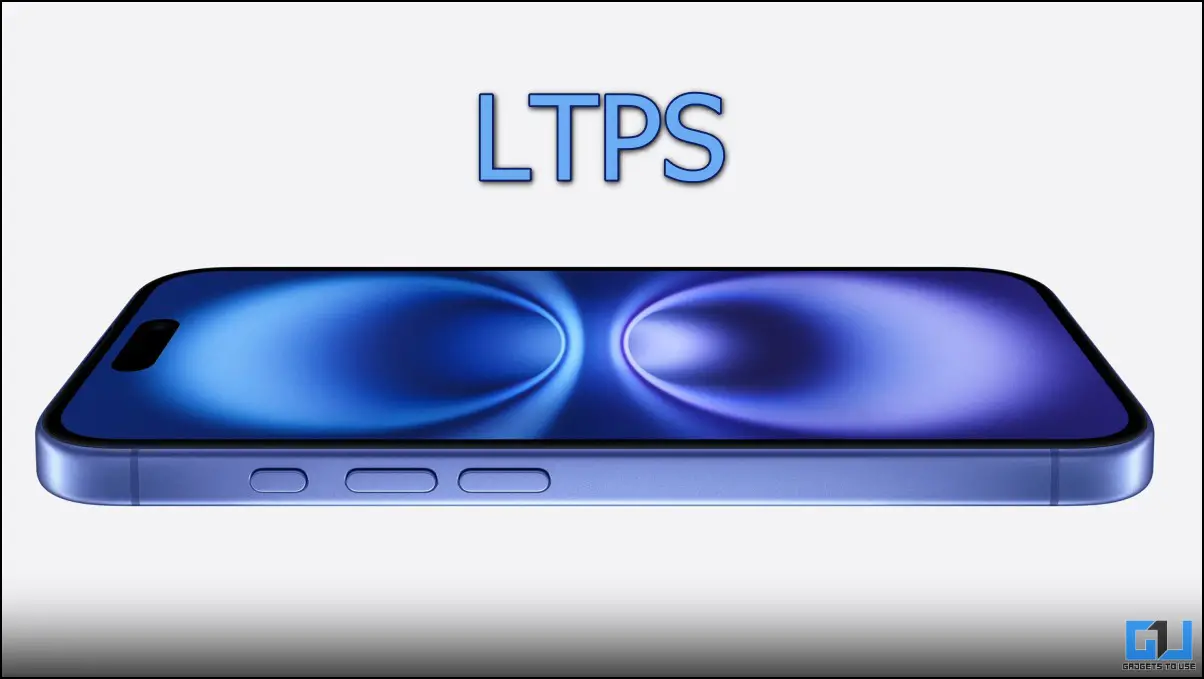
Despite this, they are widely used in many smartphones because they are cost-effective. Specifically, in midrange to midrange-flagship phones. As mentioned above, they offer a good experience, so they offer a nice balance between cost and performance. OnePlus 15R, Vivo X200T, Nothing Phone (3a) Pro, and Realme 16 Pro are examples of phones with LTPS displays.
What is LTPO?
Low-Temperature Polycrystalline Oxide, or LTPO, is top-tier when it comes to smartphone displays. While offering all the benefits of an LTPS display, it is power-efficient. This is due to the adaptive refresh rate capabilities that an LTPO display has. They can go from 120Hz to 1Hz and back in a jiffy. Let’s say you’re reading something on your smartphone, and the screen is static, the phone will switch to 1Hz, and when you scroll, it will switch back to 120Hz. This gives the device slightly better battery life.
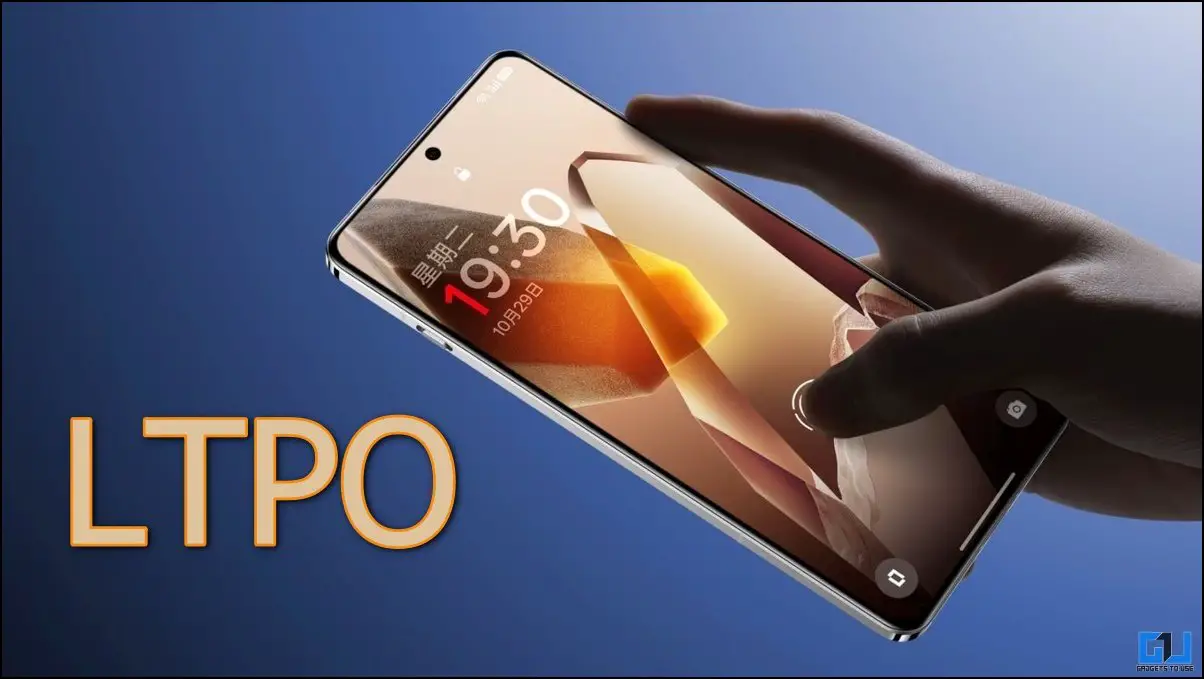
As mentioned above, it is the best display you can get in a smartphone, so it’s primarily found in flagship and premium smartphones. Examples of smartphones with LTPO displays include the iPhone 17 Series, OnePlus 15, Google Pixel 10 Pro, Vivo X300 Pro, and Samsung Galaxy S25 Series.
Key Differences Between LTPO & LTPS
Let’s understand this in a tabular form:
| Aspect | LTPS | LTPO |
| Power Efficiency | Equally good performance, especially at high refresh rates | Battery is efficient when the device is static or idle |
| Cost | Lower cost | Higher cost, hence higher cost of repair |
| Display Performance | Excellent performance with bright and bold visuals | Variable refresh rate makes using AOD power efficient |
| Refresh Rate | FIxed (60Hz, 90Hz, 120Hz, etc.) | Variable and adaptive to content type. Can go down to 1Hz. |
| Always-on capability | Less efficient for AOD | Variable refresh rate makes using AOD, power efficient |
Which Display Is Best For You?
For most users, an LTPS display would be sufficient for their daily usage. But if you want a relatively better battery life, then the LTPO is the way to go. They also tend to last longer, which is aided by the adaptive refresh rate capability. Moreover, if you want decent performance at a friendly price. The repair or replacement cost is also lower for an LTPS display in the event of damage.
FAQs
Q. Is LTPO different from AMOLED?
No, in fact, AMOLED is a broad umbrella that includes LTPO and LTPS as distinct types.
Q. Do LTPO screens have a better battery life?
Yes, but a lot depends on proper software optimisation and refresh rate tuning. Moreover, it is often observed that phones with LTPS displays have higher battery capacity, which partially compensates.
Q. Which of LTPS or LTPO looks better?
There is no significant difference in how they look to the human eye, both would offer vibrant colours and a smooth experience. Additionally, if an LTPO display is not optimised for the software, it can feel choppy, especially when adapting to a significant change in refresh rate.
Wrapping Up
There is no clear winner between LTPS and LTPO displays. It all comes down to the user’s priorities. In most flagship or premium smartphones, you would find an LTPO display, which complements the overall experience with respect to the money you pay. It is power-efficient and visually appealing. LTPS, too, looks and feels decent, and in most cases would not make you feel that you are missing out on much. It also comes at a price point that is accessible to a wider audience.
You may also like to read:
- 2 Ways to Find if Your Smartwatch Has a Fake AMOLED Display
- This is why you should use Outdoor Mode in OPPO and OnePlus Phones
- First Leaks of Samsung Galaxy S26 Ultra Make It Worth Waiting
- 8-bit vs 10-bit Display in Smartphones: Does it Matter?
Have any questions related to our how-to guides, or anything in the world of technology? Check out our new GadgetsToUse AI Chatbot for free, powered by ChatGPT.
You can also follow us for instant tech news at Google News or for tips and tricks, smartphones & gadgets reviews, join the GadgetsToUse Telegram Group, or subscribe to the GadgetsToUse Youtube Channel for the latest review videos.